As an Amazon Associate, we earn from qualifying purchases. Some links on this site are affiliate links at no extra cost to you. Our recommendations are based on thorough research and editorial judgment.


Brush Vs Sponge: Which Tool Gives the Most Natural Foundation Finish?

When it comes to a natural foundation finish, we often debate: brush or sponge? We’ve found that sponges, like the Beautyblender, give us that dewy, skin-like glow. They blend seamlessly, making our makeup routine feel effortless! Brushes, on the other hand, excel at coverage and precision. They help with thicker foundations. Ultimately, it’s about what feels best for you. If you’re curious about more insider tips and tricks for each tool, stick around!
Key Takeaways
- Sponges create a dewy, skin-like glow, ideal for a fresh-faced appearance with seamless coverage.
- Brushes allow for precise application and more coverage, especially with thicker foundations.
- The Beautyblender’s damp application technique enhances blending, reducing harsh lines for a natural finish.
- Using brushes can ensure less product absorption, leading to even application on the skin.
- Personal preference plays a significant role; experimenting with both tools helps find the best fit for individual makeup styles.
Understanding Makeup Sponges
You may be interested


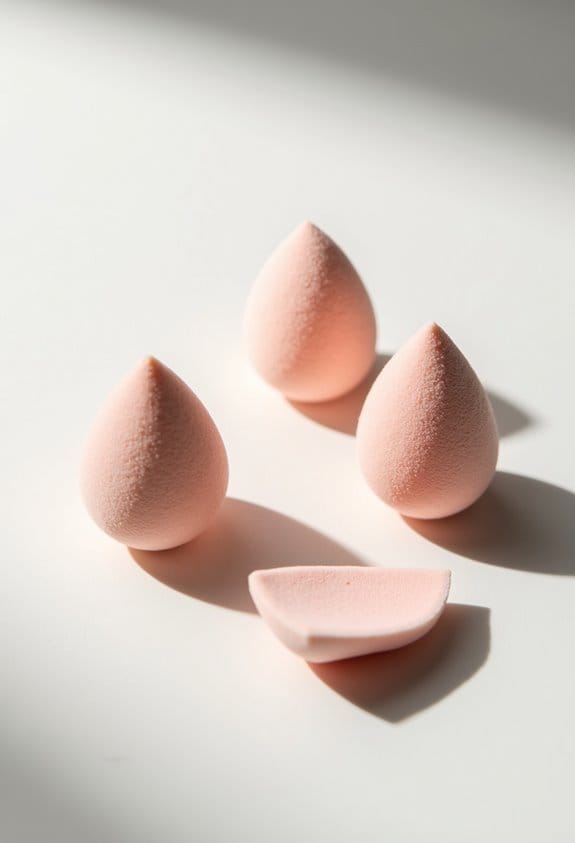
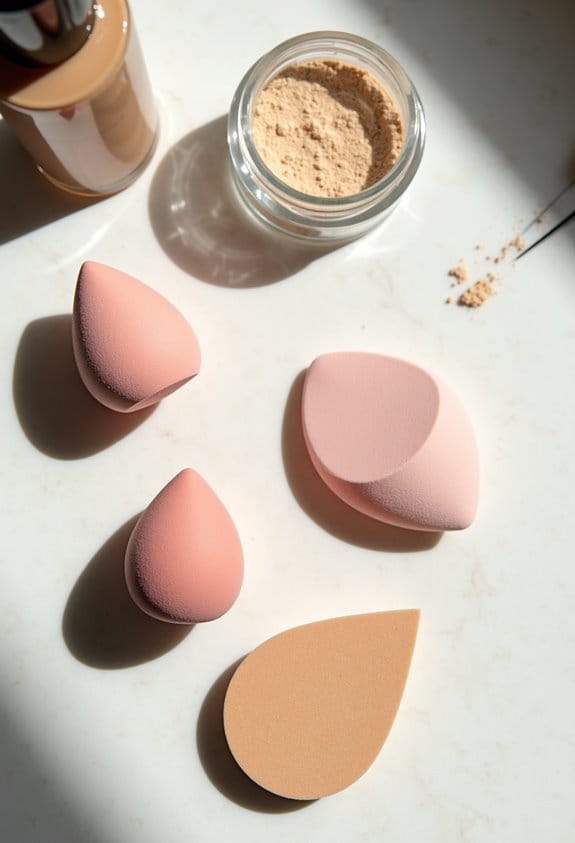
Hey there! If you’re looking to nail that flawless foundation finish, let me tell you about makeup sponges. These little guys are amazing for applying liquid and cream products. They help blend everything out smoothly, so you don’t end up with those pesky harsh lines. Trust me, when you use a makeup sponge damp, it absorbs less product, allowing you to layer easily without caking on a ton of foundation.
Have you tried using a sponge for setting powder? It’s fantastic for those tricky areas, like right under your eyes, where you want a natural, seamless look. Plus, if you’re new to makeup, sponges are a great choice since they’re gentle on the skin—no prickly bristles here! So, if you want that dewy, skin-like finish, definitely grab one next time you’re doing your makeup.
Many sponges are made from latex-free materials, making them an excellent option for sensitive skin while minimizing makeup waste. Now that we’ve covered how great sponges can be, let’s chat about when to choose different types of tools for your makeup routine.
Understanding Makeup Brushes
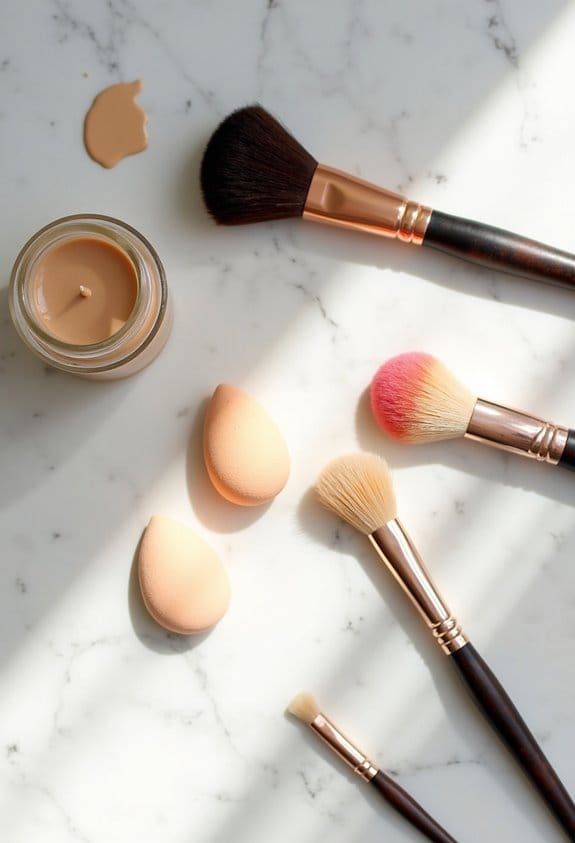
Have you ever thought about how a great makeup brush can really elevate your beauty routine? These brushes are essential for getting that flawless foundation finish! With so many shapes and sizes available, they help us apply and blend products with precision—whether we’re working with liquid, cream, or powder foundations.
Using high-quality brushes can actually save you on product, too! They apply foundation much more efficiently than sponges, which tend to soak up a lot of the product. For example, when you use a dense foundation brush, it helps create a full coverage look with just a little bit of product, while a fluffy brush gives you that airbrush finish. Plus, as you practice techniques like buffing and stippling, you’ll find it easier to adjust how much coverage you want.
And let’s not forget about cleaning! Brushes are much easier to keep hygienic compared to sponges, which can trap bacteria and grime. A simple wash with brush cleaner or mild soap keeps them in your rotation for longer. So, are you ready to give your makeup brushes a spot in your daily routine? Choosing brushes with dense synthetic bristles can improve foundation application and reduce product waste.
Recommended Products

Flawless Makeup Application - The Domed Design effortlessly blends and buffs your foundation for a seamless finish, ensuring even coverage and a natural-looking complexion

Large Foundation Brush - Large angled foundation brush is the perfect tool for achieving a quick and seamless base makeup application, ensuring a natural and polished look.

These makeup brushes are suitable for applying, blending, and shading products such as foundation, powder, eyeshadow, concealer, blush, and highlighter
The Benefits of Using a Beautyblender
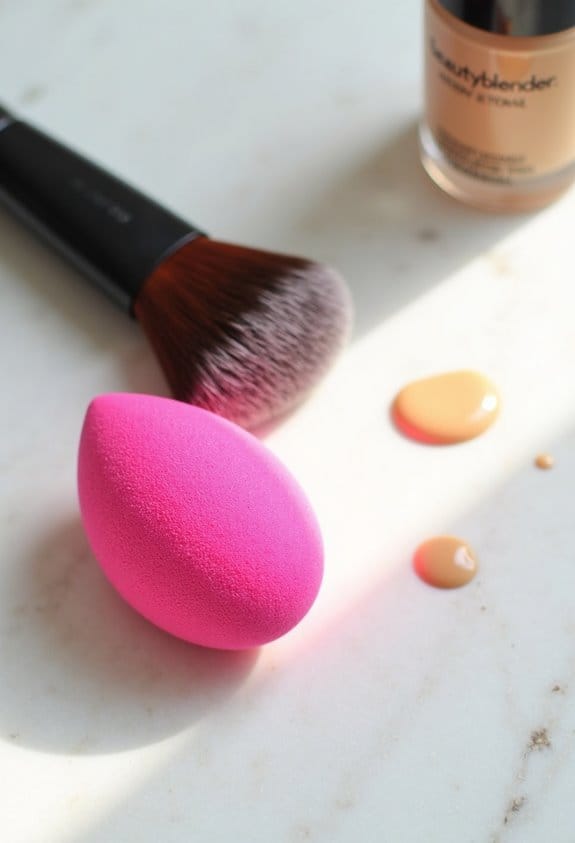
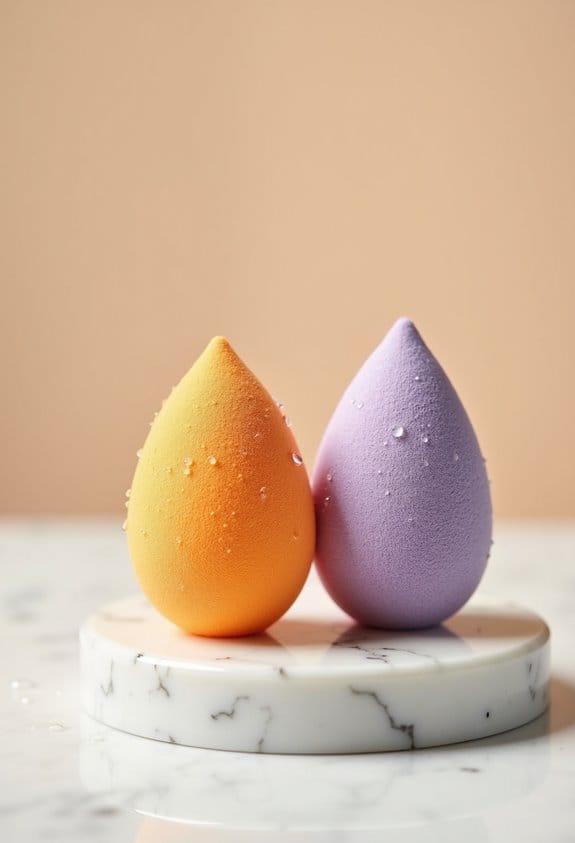
Let’s switch gears from brushes to sponges and talk about something that I absolutely love—the Beautyblender! Seriously, this little sponge is a game-changer when it comes to achieving that fresh, natural finish. When you use it damp to apply foundation, it adds hydration to your skin and gives you that beautiful, dewy glow we all dream of.
Here are a few reasons why the Beautyblender is a must-have in your makeup kit: First off, it holds just the right amount of product, meaning you waste way less foundation than when you’re using a brush. Plus, if you have sensitive or acne-prone skin, you’ll appreciate how gently it blends your makeup, leaving behind a flawless finish without harsh lines.
The best part? It’s incredibly versatile! You can use it for liquid foundations and creams, and it’s also perfect for applying concealers. Just dab a bit of product on the sponge and pat it onto those areas you want to cover—and voilà, you’ve got seamless coverage. Many kits include latex-free sponges which help provide a smooth finish for sensitive skin types.
Recommended Products

SOFT TOUCH & 100% LATEX-FREE - Ideal for all sensitive types, our premium latex-free and vegan material provides a gentle feel. This ultra-fine texture ensures a flawless, streak-free application, providing a reliable and comfortable experience for your daily beauty routines

Comprehensive 14-Piece Set: Our BS-MALL makeup sponge set includes 7 sponges, fully equipped to cater to your daily makeup needs, bringing professional results right at your fingertips,suitable for sensitive skin.Perfect for everyday makeup, special occasions, weddings, parties, and professional beauty looks. .

ULTRA-SOFT: This foundation sponge provides a marshmallow-like feel, easily keeping shape and rapidly rebounding after heavy squeezing
The Advantages of Using a Foundation Brush
Hey there! Have you ever tried using a foundation brush? They’re honestly a fantastic tool for getting that smooth, airbrushed look we all want. With a good foundation brush, you can really control where the product goes, which means you can layer it precisely where you need it most—like around your nose or under your eyes, where we often need a little extra coverage.
One of the great things about these brushes is that they keep more of your foundation on your face rather than soaking it up. For instance, if you’re using a liquid foundation, a brush can help you get an even application without wasting a drop. Plus, they work fabulously with various foundation types—like creams or powders—making them super handy!
And guess what? A quality foundation brush lasts a while, so it can save you money on having to replace tools frequently. It’s a quick and simple way to speed up your morning routine. So, if you haven’t already, it might be time to give one a try and see how it transforms your makeup application! What do you think? Many brushes feature ergonomic handles that improve control and reduce hand fatigue during use.
Recommended Products

🧶Complete 18 Pcs Professional Makeup Brush Set:This all-in-one kit includes everything you need for face, eye, and lip makeup. Perfect for foundation, powder, concealer, blush, contour, eyeshadow, and brows to create any daily or glamorous look.Used on face, eyes, lips for precise application of foundation, eyeshadow, blush, and lip products.

【14-PIECE BRUSH COLLECTION】 Cover all your needs of all Your Makeup. Using BS-MALL blending brush, eyebrow brush, eyeshadow brushes and so on can give you results similar to makeup applied by a professional makeup artist!

The most popular “toothbrush shaped” makeup brush tool with the latest fashionable design.
Comparing the Blending Techniques of Sponges and Brushes
You know, blending your foundation can feel like a whole art form, especially when you think about the differences between sponges and brushes! A sponge, like the Beautyblender, is fantastic for achieving that fresh, dewy look. When you use a stippling motion—lightly bouncing the sponge on your skin—it really helps to press the foundation in nicely, so it looks seamless without those annoying streaks.
On the other hand, using a brush can give you an airbrushed finish, but you definitely need to be precise. If you’re not careful, a brush can leave behind those telltale lines. They work great if you’re aiming for maximum coverage, especially for full glam looks—just remember to blend in circular motions to keep it smooth!
No matter which tool you lean towards, the key is to practice and find what feels best for you. So grab both your sponge and brush, and spend some time playing around with them—it’s a fun way to see what suits your makeup style! Using the right tools and techniques can make as much difference in your makeup finish as adjustable heat settings do in styling hair.
Recommended Products

🍧Professional makeup brush set: 11-piece travel brush kit includes liquid foundation brush, concealer brush, blush brush, and eyeshadow brush for flawless application every time! Perfect for makeup artists and beauty enthusiasts.

Full-Face Versatile Application: Perfect for cream, foundation, concealer, powder, liquid, and eyeshadow.

Everyday Essentials Brush & Sponge Set — Real Techniques brush set includes (1) RT400 Blush Brush, (1) RT300 Deluxe Crease Brush, (1) RT402 Setting Brush, (1) RT200 Expert Face Brush, and (2) Miracle Complexion Sponges for a complete look
Factors to Consider When Choosing Between a Brush and a Sponge
Choosing between a brush and a sponge for your makeup routine can feel a bit overwhelming, right? It’s all about finding what works best for you. Let’s break it down!
First off, think about the type of coverage you’re aiming for. If you want that flawless, high-coverage look for a glam night out, brushes are usually the way to go. I love using a flat foundation brush for that polished finish—just think about how smooth it looks! But if you’re leaning towards a more natural, dewy finish, a sponge will give you that beautiful, skin-like glow. I often reach for a damp beauty sponge when I’m in the mood for a light, breathable look.
Next, consider your skin type. If you’re dealing with sensitive or acne-prone skin, you might find that sponges are gentler and less irritating. They can give your skin some extra moisture too! On the flip side, brushes can sometimes aggravate dry patches, so if that’s you, it might be best to stick with a sponge.
Finally, the type of foundation you’re using can influence your tool choice. Thick foundations typically blend better with a brush, creating an even layer without caking. However, for those lightweight liquids, a sponge can really help to seamlessly blend it into your skin.
It’s also important to use brushes with ultra-soft synthetic bristles to ensure smooth application without irritating the skin.
In the end, it really boils down to what you personally enjoy and feel confident with. Play around with both tools and see which one makes you feel fabulous! And who knows, maybe you’ll find that each has its perfect time to shine in your makeup routine.
Recommended Products

Value Pack Makeup Sponge Set — Includes 4 Miracle Complexion Sponges for easy refills and restocking of your go-to blending sponge for makeup; 2025 Allure Best of Beauty Award Winner
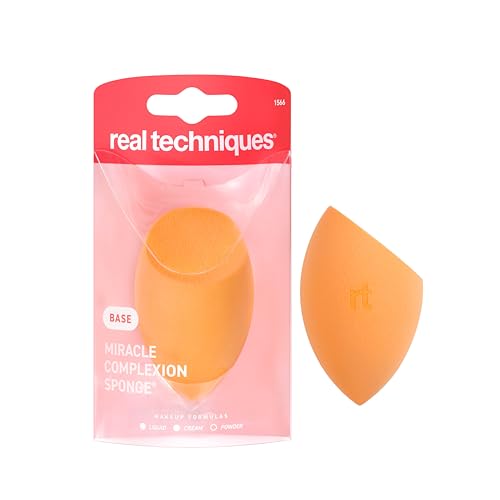
Miracle Complexion Makeup Sponge — Award-winning blending sponge for makeup delivers all-over blending for a lightweight, natural glow; 2025 Allure Best of Beauty Award Winner trusted by beginner and professional makeup artists alike

FLAWLESS, WASTE-FREE BLENDING - The sponge features a dense, squishy texture that absorbs less foundation than standard sponges, ideal for dry skin or full-coverage looks. Holds shape after 100 washes
Tips for Using a Beautyblender Effectively
Alright, let’s chat about getting the most out of your Beautyblender! First things first—always wet your Beautyblender before you use it. This little trick helps achieve that lovely, damp finish we all want. Once it’s nice and soggy, apply your foundation with a gentle bouncing motion. Think of it like a mini workout for your face—just bounce and press it against your skin, and you’ll see how easily it blends for a flawless look.
Now, don’t forget about those tricky areas like the corners of your nose or under your eyes; that pointed tip is perfect for getting into those spots. Start with a small dab of foundation and build it up if you need to. There’s nothing worse than a thick, cakey layer of makeup, right?
And here’s a bonus tip: make sure to clean your Beautyblender regularly! A quick wash after a few uses keeps it fresh and makes blending so much easier. Plus, it helps prevent breakouts! So, keep that sponge clean and you’ll always be ready to blend. Using tools made from non-porous materials can help prevent bacteria buildup and maintain skin health. Speaking of maintenance, let’s move on to how to store your Beautyblender properly to keep it in great shape!
Maintaining Your Makeup Tools for Longevity
Hey there! If you want your makeup to always look fresh and your skin to stay healthy, keeping your tools clean is super important! Think about it: foundation brushes and makeup sponges can be little homes for bacteria if we’re not careful. And trust me, you definitely don’t want that causing any breakouts!
For those sponges, the best routine is to wash them after each use. Just wet the sponge, add a little bit of cleanser, and squeeze it out until the water runs clear. It’s a quick and easy way to keep things clean!
As for your brushes, aim to clean them every few days. Simply swirl the bristles around in some soapy water, rinse them off, and reshape them back to their original form. This not only helps your brushes work better but also makes them last longer. Taking care of your tools is like giving your skin a little TLC—it helps keep that foundation finish looking flawless! Regular cleaning also helps prevent bacterial buildup that can lead to skin irritation.
When to Replace Your Makeup Sponge or Brush
You know, keeping our makeup sponges and brushes clean is just the beginning of a solid makeup routine. It’s super important to know when to replace them, too! For makeup sponges, a good rule of thumb is to switch them out every 3 to 6 months. If you start seeing visible tears, or if it loses its shape and won’t clean up properly anymore, that’s a clear sign it’s time to let go. You wouldn’t want to use a sponge that feels more like a brick, right?
Now, brushes are built to last a little longer, but they still need some TLC. Keep an eye out for any shedding bristles or if they start to lose their original form. Regularly swapping out your tools not only keeps your makeup routine on point but also helps keep your skin happy and clear. A fresh sponge or brush can feel like a breath of fresh air for your beauty routine! Speaking of fresh, let’s talk about how to properly clean these tools to extend their life even further. Proper cleaning and maintenance is essential to ensure the longevity and effectiveness of your makeup brushes and sponges.
Final Thoughts on Tool Selection for Natural Finish
Hey there! So, when we chat about tool selection for that natural finish, don’t overlook brushes just yet! Sure, makeup sponges are top picks for achieving that beautiful, skin-like glow, but brushes have their own special advantages too. It really all comes down to what feels right for you.
Think about it: sponges create that lovely dewy look and blend things out seamlessly, making them perfect for a fresh-faced vibe. But if you’re looking for a bit more coverage or need to be precise—like when you’re working with a thicker foundation—a good foundation brush can really step up your game. I’ve found that using a brush around my nose and under my eyes helps the product sit better and last longer. Keeping your tools in an acrylic makeup brush holder helps maintain their condition and ensures easy accessibility.
Frequently Asked Questions
Is It Better to Use a Brush or Sponge for Foundation?
We believe it really depends on our desired look. Brush techniques give precision for foundation application, while sponge benefits offer a seamless finish. Combining both tools can help us achieve that perfect foundation result we’re after!
Do Makeup Artists Use Brushes or Sponges?
They say, “To each their own.” We makeup artists often use both brushes and sponges, blending application techniques based on finish comparison and personal preference, ensuring our clients always achieve their desired look effortlessly.
What Is the Best Way to Apply Liquid Foundation on Mature Skin?
For applying liquid foundation on mature skin, we recommend using a damp makeup sponge. This technique blends seamlessly, ensuring a natural finish while providing buildable coverage. Remember, lightweight hydrating foundations work best for enhancing luminosity!
Is a Sponge or Brush Better for Contouring?
We prefer using a brush for precise contouring techniques, while a sponge excels at blending methods. Combining both tools lets us achieve a flawless finish, catering to our individual tool preferences for beautiful, sculpted looks.