As an Amazon Associate, we earn from qualifying purchases. Some links on this site are affiliate links at no extra cost to you. Our recommendations are based on thorough research and editorial judgment.


Best Techniques to Avoid Product Waste When Using Sponges

When we’re using sponges, there are some great tricks to avoid wasting product! First, start with just a pea-sized amount. We can always add more later! Let’s rotate our sponge during use to tap into different angles. And don’t forget to clean them after every use—it’s like giving them a spa day! Keeping our sponges in a well-ventilated area also helps prevent mold. Want to learn even more ways to maximize our sponge game? Stick around!
Key Takeaways
- Start with a pea-sized amount of product to control application and minimize excess waste.
- Use non-absorbent silicone sponges to reduce product loss during application.
- Choose sponges appropriate for your product type to enhance absorption and efficiency.
- Regularly clean sponges to prevent makeup buildup and ensure effective usage.
- Replace sponges every two to four weeks to maintain optimal performance and hygiene.
Understanding Sponge Types and Their Absorption

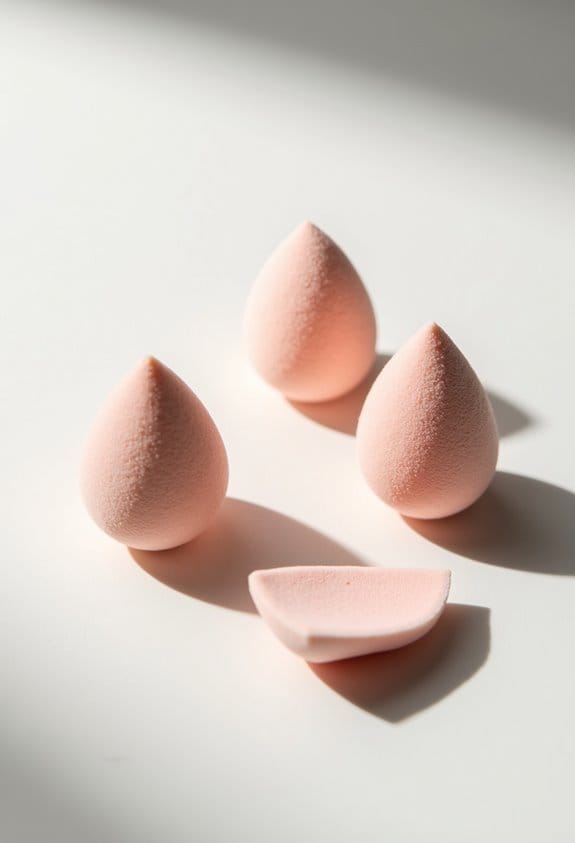
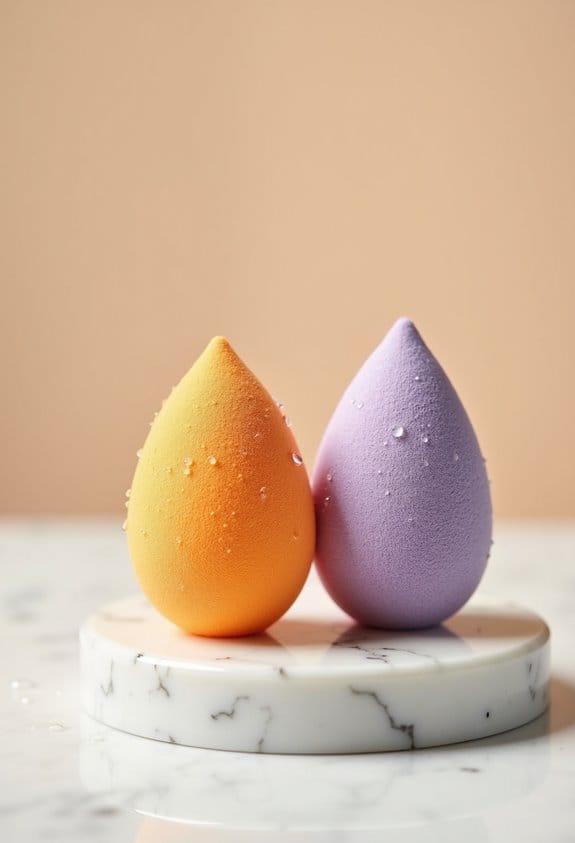
Hey there! Let’s chat about sponges and how they play a crucial role in makeup application. Knowing the different sponge types and their absorption rates can really enhance your routine. You’ve likely seen latex-free foam, synthetic fibers, and even those trendy silicone sponges out there. Each one handles makeup differently, which affects how much product we end up using—nobody wants to waste their favorite foundation!
So, let’s break it down. If you’ve got large pores, a sponge designed for heavy coverage will really soak up product but blends like a dream. This means you can achieve that flawless look without too much effort. On the other hand, if you prefer medium coverage, look for a sponge that balances absorption—it works wonderfully with both cream and liquid products. That way, you get just the right amount on your skin without wasting any.
Now, for those of you who love a fresh, light look, a sponge that’s meant for tiny pores is your best friend. These tend to absorb less product, helping you stretch those luxurious serums further. Just imagine snagging a high-end moisturizer and using it sparingly, so you really get your money’s worth!
Remember to care for your sponges with regular cleanings. This keeps them in top shape, reduces waste, and ensures you look fabulous every time you apply your makeup! Speaking of application techniques, let’s chat about the best ways to use these sponges for different looks next. Choosing latex-free sponges can also significantly benefit sensitive skin while maintaining durability and low absorption.
Techniques for Efficient Product Application

Alright, so when it comes to applying your product, start small—just a pea-sized amount is perfect. You want to build that coverage slowly so it looks natural. And here’s a little tip: as you apply your makeup with a sponge, try rotating it. This way, you’re getting use out of all the different angles and surfaces, which helps blend everything seamlessly.
Now, regular upkeep is super important too! After each use, make sure to clean your sponge. You can use a simple mix of warm water and gentle soap. This keeps your sponge free from leftover makeup and bacteria, ensuring it’s always ready for the next application. Plus, a clean sponge helps you avoid that pesky makeup buildup that can waste product. Because silicone sponges are non-absorbent, less product is lost during application, making your makeup routine more efficient.
Prepping the Sponge for Use
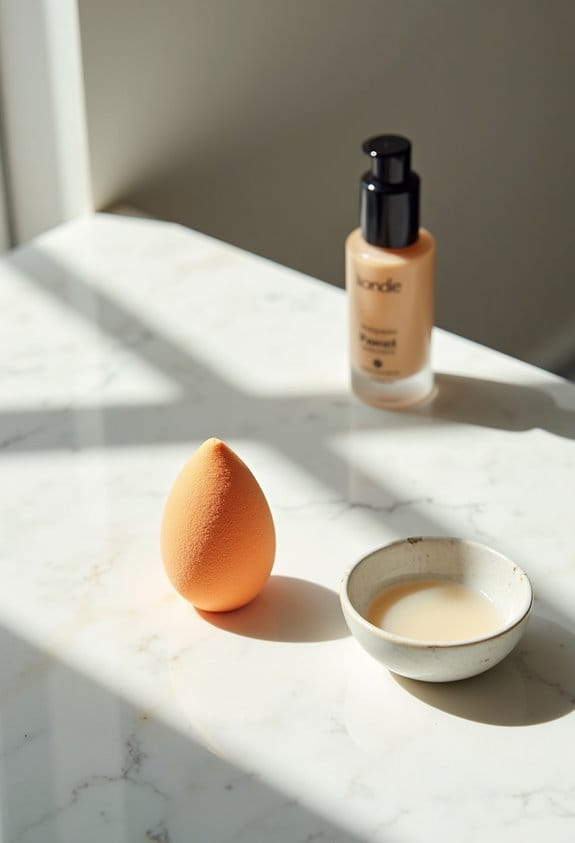
Hey there! So, instead of slapping on makeup directly to our faces, let’s chat about using a sponge to apply it—trust me, a well-maintained sponge can really up your makeup game! Applying product to the sponge first gives you better control over how much you use, plus it helps prevent that puffy marshmallow look we all want to avoid.
When you use a gentle tapping motion to blend, it’s like giving your skin a little love while ensuring the makeup mixes beautifully. For example, when you apply your foundation, just a couple of quick taps with the sponge can create a flawless finish. And don’t forget to keep that sponge clean; a fresh sponge not only works better, but it also keeps your skin healthy! Using reusable and washable tools like makeup eraser cloths alongside sponges can further enhance skin health and hygiene.
Daily Maintenance to Minimize Waste
Hey there! You know, keeping our makeup sponges in great shape is simpler than it seems and it makes a big difference in our routine. Daily cleaning is key to avoiding waste, as it helps our sponges work better and keeps our favorite foundation and concealer from getting stuck in a dirty sponge. Just a quick wash with some mild soap or a specialized cleaner is all it takes to stop any pesky bacteria from sticking around.
Also, let’s talk about storage! It’s super important to keep our sponges in a well-ventilated spot—think of somewhere dry and airy, like a drawer with a little space or even on a shelf. Seriously, no one wants to deal with a moldy sponge! By taking the time to care for them regularly, we not only stretch their lifespan but also ensure they consistently give us a flawless application. Using makeup brush and sponge cleansers designed for quick drying and gentle care can further enhance the maintenance routine.
Deep Cleaning Methods for Extended Use
Hey there! Let’s chat about sponge care because keeping those little beauty tools in great shape can really make a difference. To extend their lifespan, I recommend giving your sponges a gentle overnight soak in lukewarm, soapy water. This helps to break down any stubborn residue without damaging the sponge itself.
If you’re dealing with heavy makeup build-up, you can try pre-treating your sponge with a bit of diluted baby shampoo or olive oil before washing it. Those options work wonders! And for an extra sanitation step, pop your damp sponge in the microwave with some soapy water for about 30 seconds—it’s a quick and effective way to kill any lingering germs!
Just a heads up: keep an eye out for signs of wear and tear. Over-washing or using harsh cleaning methods can actually speed things up. By sticking to a regular cleaning routine, you’ll not only keep your sponges performing well but also reduce waste. It’s a win-win! Incorporating gentle, plant-based formulas can help ensure effective cleaning without damaging your sponges. Now that we’ve covered sponge care, let’s move on to tips for cleaning other beauty tools.
Proper Drying and Storage Practices
Alright, let’s talk about one of the most important steps after cleaning those sponges: how to properly dry and store them! Proper drying is key to keeping your sponges fresh and free from harmful bacteria and mold. So, what can we do? First off, always aim to air-dry your sponges in a spot that has good airflow—like on a drying rack or even near a window. This’ll help keep them safe from the moisture that bacteria love to thrive in.
Now, when it comes to storage, I have a couple of handy tips for you. First, store your sponges upright on their narrow end; this way, they won’t lose shape, and air can circulate around them easily. Also, try to skip those closed containers—while they might seem like a good idea, they can quickly turn into a breeding ground for bacteria. Instead, just keep them out in the open! Using tools with ergonomic grips can also make cleaning your sponges more efficient and comfortable.
Recognizing When to Replace Your Sponge
Hey there! So, you might be wondering how to tell when your trusty sponge is ready for retirement. There are a few telltale signs that give it away. For starters, if your sponge has a funky smell that just won’t go away, that’s a red flag. Also, keep an eye out for any visible wear or discoloration. If it starts to look a bit shabby, chances are it’s harboring more bacteria than we’d want hanging around our dishes!
To keep things fresh and clean, a good rule of thumb is to replace your sponges every two to four weeks. Making a note in your calendar can help you remember, or you could even set a weekly reminder to check on it. Remember that time your sponge became a science experiment? Yeah, let’s avoid that! Keeping our sponges in good shape is a simple way to maintain a hygienic kitchen.
Besides sponges, it’s also important to consider the environmental impact of your cleaning tools by choosing biodegradable or eco-friendly options whenever possible.
Now that we’ve covered sponges, let’s dive into the best ways to clean and store kitchen tools to keep your space organized and bacteria-free!
Frequently Asked Questions
How to Keep Sponges From Getting Stinky?
To keep sponges from getting stinky, we should guarantee proper sponge drying, use effective washing sponge methods, control sponge moisture, and regularly disinfect sponges. Following these sponge storage tips can greatly extend sponge lifespan and avoid odor.
How Do Sponges Get Rid of Waste Products?
Sponges get rid of waste products through their unique sponge biology, utilizing waste absorption and digestion. This process supports nutrient cycling, enhancing sponge ecosystems while positively impacting environmental waste management by effectively processing organic materials in their surroundings.
How to Keep Sponges Sanitary?
To keep sponges sanitary, we should adopt effective cleaning techniques and proper drying methods. By practicing smart sponge storage, utilizing sanitizing methods, and exploring soap alternatives, we can guarantee their longevity with consistent maintenance tips.
How Do Sponges Excrete Waste?
Sponges excrete waste through their cellular structure, using their unique anatomy for efficient water filtration and nutrient absorption. This process aids in effective waste removal, allowing sponges to regenerate and adapt to their environment.